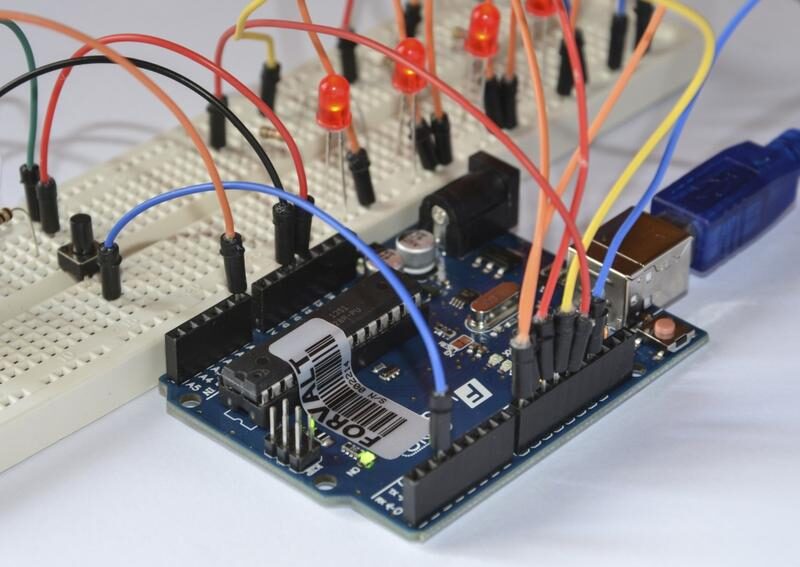
The Rise of Intelligent Devices: How Smart Gadgets are Changing Our Lives
The era of intelligent devices is upon us, and their proliferation is reshaping the very fabric of our daily lives. From smart home appliances that adjust to our routines to wearable fitness trackers that monitor our health, these gadgets enhance our convenience and efficiency. According to recent studies, the global market for smart devices is projected to reach over $500 billion by 2025, demonstrating how rapidly technology is evolving and integrating into our lives. As we embrace this wave of innovation, it's essential to understand how smart gadgets are not just tools, but integral parts of our personal and professional ecosystems.
One of the most significant impacts of intelligent devices is their ability to connect and communicate seamlessly. For instance, smart home systems allow users to control lighting, heating, and security with just a voice command or a tap on their smartphone. Furthermore, the rise of the Internet of Things (IoT) means that everyday objects are becoming increasingly interconnected, creating networks that learn and adapt over time. This transition towards a more automated lifestyle brings with it numerous benefits, including energy savings and enhanced productivity, ultimately setting the stage for a smarter, more responsive world.
Counter-Strike is a popular team-based first-person shooter game that has captivated gamers since its release. Players can engage in intense multiplayer matches where they assume the roles of either terrorists or counter-terrorists. The game emphasizes strategy, teamwork, and quick reflexes, making it a favorite in the esports community. If you're looking for some exciting gifts for the tech-savvy men in your life, check out these Top 10 Tech Gifts for Men to enhance their gaming setup!
Are We Prepared for a World Dominated by AI-Powered Electronics?
As we delve into the future, the question Are We Prepared for a World Dominated by AI-Powered Electronics? becomes increasingly relevant. The rapid advancements in artificial intelligence are reshaping industries, enhancing productivity, and transforming the way we interact with technology. From smart home devices to AI-driven robotics, these innovations are designed to augment our daily lives. However, this shift also raises concerns about our readiness to adapt to such profound changes. Do we possess the necessary frameworks to manage ethical dilemmas, privacy issues, and the potential displacement of jobs?
Moreover, the integration of AI into electronic devices presents a dual-edged sword. On one hand, it offers efficiencies and conveniences that were once unimaginable; on the other hand, it necessitates a collective effort to ensure safety and fairness in technology deployment. As highlighted in recent studies, organizations and governments must prioritize AI preparedness, focusing on
- regulatory frameworks
- educational initiatives
- public awareness
Exploring the Ethics of Smart Technology: What Happens When Gadgets Think?
As smart technology pervades every aspect of our lives, from smartphones to home assistants, it raises crucial questions about ethics and moral responsibility. When we give devices the ability to learn, adapt, and make decisions independently, we must consider the implications of their actions. Are these gadgets equipped to make choices that align with human values? For instance, in situations where a self-driving car must make a split-second decision, who is responsible for the outcome? These ethical dilemmas force us to examine the boundaries of technology and our role in shaping its moral framework.
Furthermore, the advent of intelligent systems poses significant challenges in the realm of privacy and data protection. With smart devices continuously collecting personal information, users often unknowingly surrender control over their data. This situation calls for a robust framework to protect individual privacy and ensure that technology serves humanity ethically. The exploration of ethics in smart technology is not merely an academic exercise; it requires collective action from developers, policymakers, and users to navigate the potential pitfalls of evolving gadgets. As we ponder the future of technology, we must actively engage in conversations about responsibility, accountability, and the moral implications of allowing gadgets to 'think' for themselves.