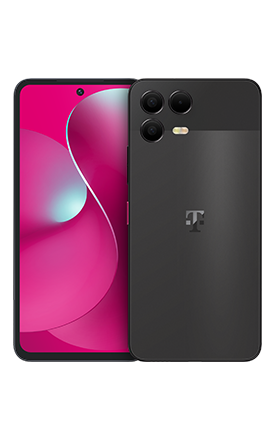
The Evolution of Smartphones: From Communication Tools to Personal Companions
The evolution of smartphones has transformed them from mere communication tools into essential personal companions. Initially, early mobile phones enabled basic voice calls and text messaging, serving primarily as devices for staying connected. However, with the advent of the first smartphones in the late 1990s, the paradigm began to shift. Devices like the IBM Simon Personal Communicator and later smartphones from brands like Nokia and BlackBerry introduced features such as email access and primitive web browsing, setting the stage for the mobile revolution.
As technology advanced, smartphones became increasingly multifunctional, incorporating advanced operating systems and app ecosystems. The introduction of the iPhone in 2007 marked a watershed moment in the industry; it showcased a touch interface and a robust application marketplace that allowed users to customize their smartphone experience. Today, smartphones are equipped with powerful processors, high-resolution cameras, and artificial intelligence, transforming them into personal assistants capable of managing tasks, providing entertainment, and even improving health. This evolution highlights how smartphones are no longer just tools for communication, but integral parts of our daily lives.
Counter-Strike is a popular tactical first-person shooter game that has captivated millions of players worldwide. It features team-based gameplay where players can choose to be part of either the Terrorist or Counter-Terrorist factions. In addition to the thrilling gameplay, players often look for ways to enhance their gaming experience. For those interested, check out the Top 10 iPhone accessories under 25 to find some great options. With its competitive nature and strategic depth, Counter-Strike continues to be a staple in the esports community.
10 Surprising Ways Your Phone Influences Your Daily Life
In today's digital age, our smartphones have become central to our everyday routines, often influencing behavior in surprising ways. From the moment we wake up to the alarm ringing on our phones to the last notifications we check before bed, these little devices shape our activities in numerous ways. One major way they impact us is through their ability to manage our schedules. With calendar apps and reminders, staying organized has never been easier, influencing productivity and reducing stress levels throughout the day.
Moreover, smartphones play a crucial role in our social interactions. Text messaging and social media apps enable us to stay connected with friends and family, even when they are far away. Interestingly, this connectivity often leads to a paradox; while we are more connected digitally, face-to-face interactions may decrease. Furthermore, the way we consume information has dramatically changed, as many people rely on their phones for news updates and educational content, impacting the way we perceive the world and make informed decisions.
Are We Too Attached to Our Phones? Exploring the Bond Between Users and Their Devices
The bond between users and their devices has reached unprecedented levels in today's digital age. Are we too attached to our phones? Many individuals find themselves checking their smartphones over a hundred times a day, often prioritizing notifications over face-to-face interactions. This phenomenon has sparked discussions about the psychological implications of our dependence on mobile technology, leading experts to analyze the ways in which smartphones influence our social behaviors, emotions, and even our sense of identity.
Moreover, studies suggest that our attachment to smartphones can have both positive and negative effects. On one hand, these devices offer unparalleled access to information and foster connections with loved ones. On the other hand, they can lead to feelings of isolation and anxiety when users experience a disconnect from their online lives. As we continue to explore the question, are we too attached to our phones, it becomes increasingly vital to find a balance that allows us to enjoy the benefits of technology while maintaining our well-being.