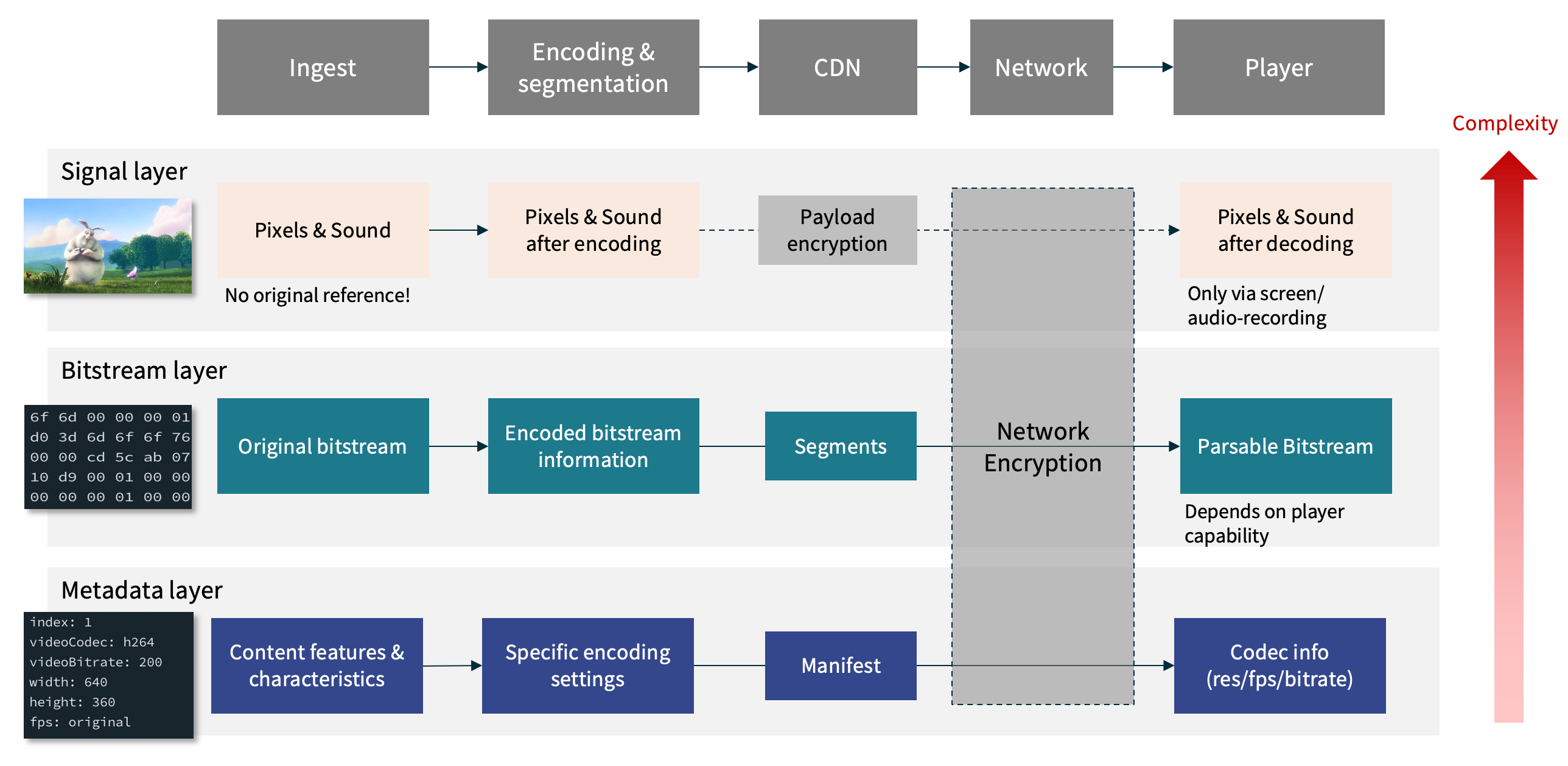
Understanding the Impact of Video Quality on Viewer Engagement
In today's digital landscape, video quality plays a crucial role in shaping viewer engagement. High-resolution videos provide a rich visual experience, capturing the audience's attention more effectively than lower-quality counterparts. Research indicates that viewers are more likely to stay engaged with content that is clear and sharp, leading to longer watch times and decreased bounce rates. Furthermore, platforms such as YouTube and Vimeo have evolved to adapt to the importance of video quality, favoring high-definition content in their algorithms and rewarding creators with better visibility.
Moreover, video quality is not solely about resolution; aspects such as frame rate, lighting, and sound quality significantly affect viewer satisfaction. An engaging video may incorporate elements such as dynamic editing, compelling narratives, and professional audio, ensuring that the audience remains captivated. By prioritizing these factors, content creators can enhance their chances of increasing viewer retention. In conclusion, understanding the multifaceted nature of video quality is essential for any strategy aimed at maximizing viewer engagement and achieving online success.
Counter-Strike is a popular multiplayer first-person shooter game that pits teams of terrorists against counter-terrorists in a variety of objective-based scenarios. The game has evolved through various iterations, with Counter-Strike: Global Offensive being the latest and most widely played version. For those looking to enhance their content creation skills, check out the Top 10 Mobile Vlogging Accessories that can help you capture high-quality gameplay footage and tutorials.
Is 4K Worth the Upgrade? Exploring Video Quality Standards
As technology advances, the debate surrounding video resolution intensifies, particularly when considering the upgrade to 4K video quality. The term 4K refers to a resolution of approximately 3840 x 2160 pixels, offering four times the pixel density of the standard 1080p resolution. This increase in pixel count results in sharper images, enhanced detail, and a more immersive viewing experience. However, factors such as viewing distance, content availability, and the quality of your display device can significantly influence whether an upgrade is truly worth it. For instance, if you are not watching on a large screen or sitting closer to your television, the difference in clarity might not be as noticeable.
Another aspect to consider when exploring if 4K is worth the upgrade involves content availability and streaming capabilities. While many streaming platforms like Netflix and Amazon Prime now offer a selection of 4K content, not all shows and movies are available in this format. Additionally, internet bandwidth is crucial; streaming 4K video requires a stable internet connection of at least 25 Mbps. In conclusion, upgrading to 4K can be worthwhile if you fully utilize its capabilities with compatible hardware and high-quality content, ultimately enhancing your overall viewing experience.
How to Choose the Right Video Resolution for Your Content Needs
Choosing the right video resolution for your content needs can significantly impact the quality and clarity of your visuals. To make an informed decision, you should first consider your target platform. For instance, social media platforms like Instagram or TikTok often favor lower resolutions, such as 720p, to optimize loading times and data usage. In contrast, platforms like YouTube, which support high-definition content, typically recommend resolutions of 1080p or higher. Additionally, think about your audience's viewing devices; for instance, mobile users may not need the same resolution as viewers on large screens.
Furthermore, video resolution also plays a key role in the overall production process. Higher resolutions, such as 4K, allow for greater detail and flexibility in post-production but come with increased file sizes and higher processing requirements. It’s essential to strike a balance between quality and practicality. Here are some factors to consider when making your decision:
- Content Type: Is it a tutorial, vlog, or cinematic piece?
- Distribution Channel: Where will the video be shared?
- Audience Preference: What devices are they likely to use?
- Storage and Processing: Do you have the necessary infrastructure?