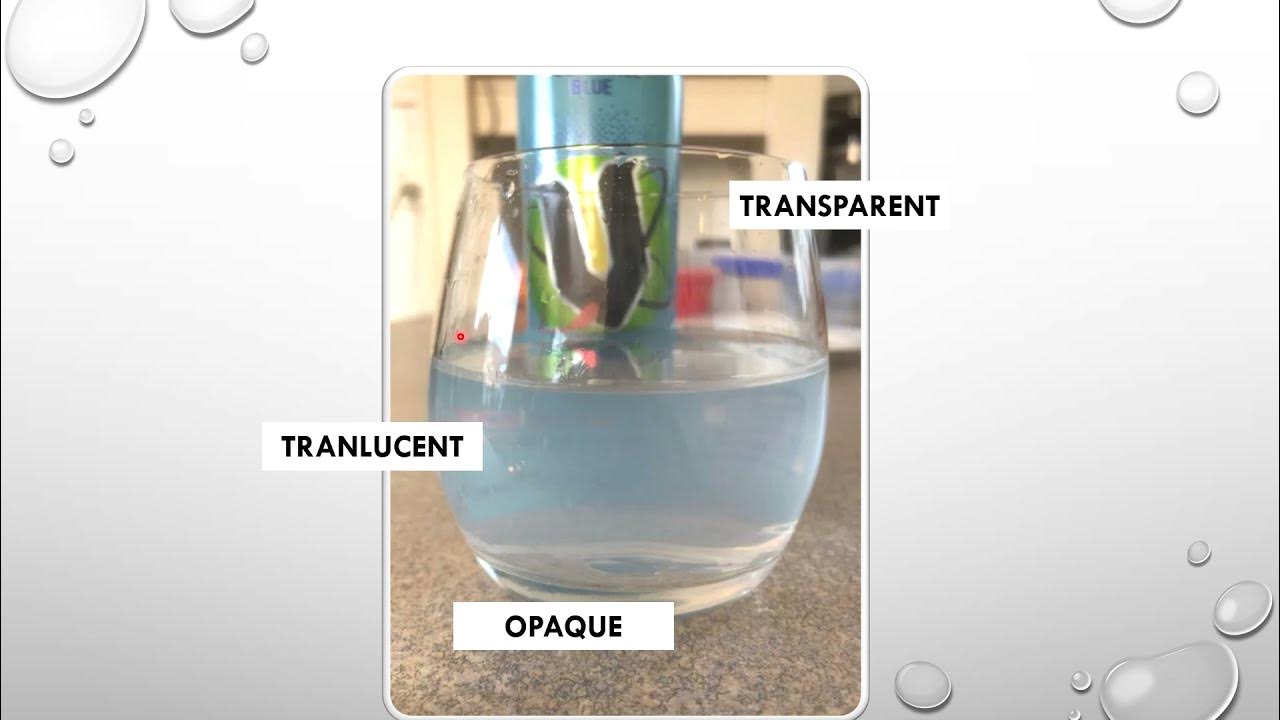
The Allure of Transparency: How See-Through Materials are Redefining Modern Design
The use of see-through materials in contemporary architecture and design has transformed the way we perceive our surroundings. These materials, such as glass, acrylic, and even certain types of fabrics, offer an unparalleled sense of openness and connectivity between interior and exterior spaces. As more designers prioritize sustainability and lightness in their projects, the allure of transparency becomes even more pronounced. They not only allow natural light to flow freely but also create an illusion of space, making small areas feel larger and more inviting.
Moreover, the integration of transparent surfaces fosters a unique dialogue between form and function. It challenges traditional design norms by emphasizing visibility and accessibility. For instance, in urban settings, see-through buildings can enhance the aesthetic appeal while promoting community interaction. By blurring the lines between private and public spaces, designers are reimagining how we experience our environments, encouraging a greater appreciation for the beauty of transparency in modern design.
Counter-Strike is a highly popular first-person shooter game that has evolved over the years, captivating millions of players worldwide. It falls under the tactical shooter genre, where teamwork and strategy play a crucial role in gameplay. Whether you're a fan of bomb defusal or hostage rescue modes, the excitement is ever-present. If you're also looking for protective gear for your gadgets, check out the Top 10 iphone air cases to keep your devices safe while you enjoy gaming.
Exploring the Benefits of Translucent Design: A Guide for Homeowners
Translucent design has become a popular choice among homeowners seeking to enhance both aesthetics and functionality in their living spaces. By allowing light to filter through while maintaining privacy, translucent materials create a warm and inviting atmosphere. This design approach not only maximizes natural light but also reduces the need for artificial lighting, leading to energy savings. When integrated into windows, walls, or partitions, translucent elements can soften harsh sunlight and create a tranquil environment, making homes feel more spacious and airy.
Beyond aesthetic appeal, the benefits of translucent design extend to outdoor spaces as well. Incorporating features such as translucent patio covers or garden screens can transform backyards into serene retreats. These features protect against the elements while still allowing sunlight to pour in, thus fostering a seamless connection between indoors and outdoors. Moreover, translucent design can enhance the overall value of your property by providing a modern and stylish touch. As homeowners explore ways to create cohesive and functional spaces, the integration of translucent elements stands out as a trend worth considering.
Are Translucent Materials the Future of Sustainable Architecture?
As the world grapples with the urgent need for sustainable solutions, the use of translucent materials in architecture is emerging as a potentially groundbreaking trend. These materials not only contribute to reducing a building's energy consumption by maximizing natural light but also minimize environmental impact through their reduced reliance on artificial lighting. Furthermore, innovations in translucent materials offer unique aesthetic qualities that can enhance the visual appeal of structures, marrying functionality with beauty.
Architects and designers are increasingly recognizing the versatility of translucent materials, such as polycarbonate, glass, and advanced composites, which can transform conventional design paradigms. The integration of these materials allows for better thermal efficiency and natural ventilation, making buildings more comfortable and environmentally friendly. As more architects choose sustainability as a guiding principle, the question remains: could translucent materials become standard practice in future architecture, leading to a greener urban landscape?